
Introduction
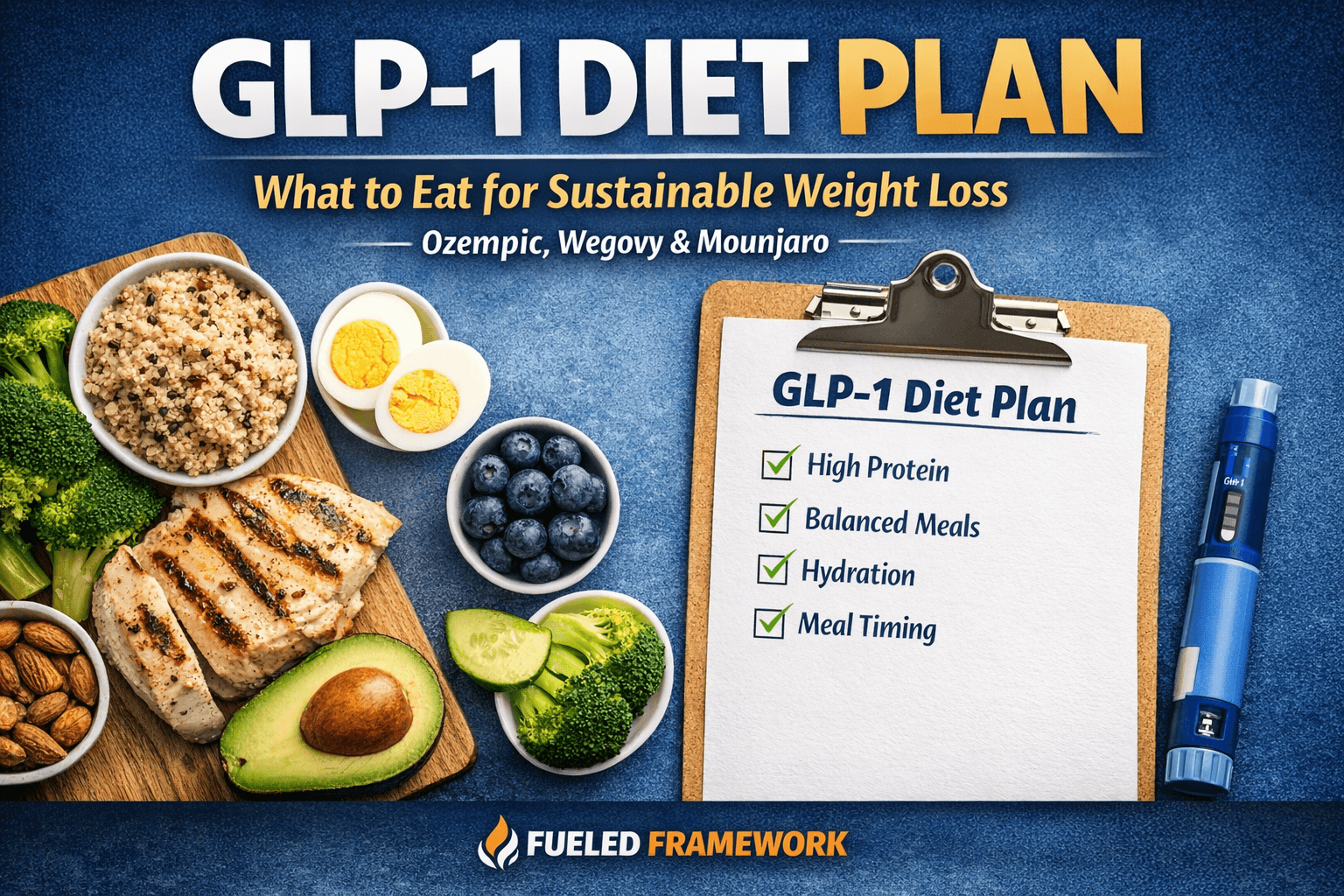
GLP-1 medications like Ozempic, Wegovy, and Mounjaro have changed the conversation around weight loss. For millions of people, these medications reduce appetite, stabilize blood sugar, and make it easier to eat less without constant willpower battles. The results can be significant. But the results can also fall apart if nutrition is not structured intentionally.
The problem is not the medication. The problem is what happens when appetite suppression does its job a little too well.
When you are not hungry, it is easy to skip meals, eat very small amounts, and end up far below the calories and nutrients your body needs to function. Over time, this pattern does not just slow weight loss — it actively works against it. The body responds to under-fueling by breaking down muscle tissue for energy. Metabolic rate drops. Fatigue sets in. Many people assume they are not responding well to the medication when the real issue is under-nutrition.
A well-designed GLP-1 diet plan does not mean forcing yourself to eat large portions. It means eating the right foods, in the right amounts, at the right times — so that the medication can do what it is designed to do without triggering muscle loss, energy crashes, or nutrient gaps.
This article walks through exactly how to structure your nutrition on GLP-1 medications, which foods to prioritize, which to avoid, and how to prevent the most common mistakes that derail progress.
| Free GLP-1 Nutrition Guide Many people start GLP-1 medications like Ozempic, Wegovy, or Mounjaro without a structured nutrition strategy. Appetite drops quickly, which often leads to eating too little protein, poor hydration, and fatigue. To help prevent these issues, we created the Fueled Framework GLP-1 Quick Start Protocol, a simple guide explaining the protein strategy, meal structure, and hydration system designed to support sustainable weight loss while protecting muscle. 👉 Download the GLP-1 Quick Start Protocol (Its Free) |
What Is a GLP-1 Diet Plan?
A GLP-1 diet plan is a structured approach to eating that works with the physiological changes caused by GLP-1 receptor agonist medications. It is not a traditional calorie-counting diet or a restrictive food plan. It is a framework built around the specific nutritional demands that arise when appetite and digestion change significantly.
GLP-1 medications mimic a naturally occurring hormone called glucagon-like peptide-1. This hormone slows gastric emptying — meaning food moves through the digestive system more slowly — and signals the brain that the body is full even when food intake is minimal. For weight loss, this is powerful. For nutrition, it creates a unique challenge.
When appetite signals are suppressed, most people eat far less than they realize. This is not just about calories. It is about protein, vitamins, minerals, and the raw materials the body needs to maintain lean muscle tissue and run basic metabolic processes. A generic low-calorie diet does not account for these needs. A GLP-1 diet plan does.
Simply eating less food while on GLP-1 medication creates three measurable risks. First, protein intake drops below what is needed to maintain muscle. Second, energy becomes unstable because blood sugar fluctuates without adequate carbohydrate and fat intake. Third, the metabolic slowdown that comes with muscle loss makes sustained fat loss increasingly difficult over time. A structured GLP-1 diet plan addresses all three risks before they become problems.
GLP-1 receptor agonists such as semaglutide and tirzepatide mimic a hormone that helps regulate appetite, blood sugar, and digestion. These medications slow stomach emptying and increase feelings of fullness, which is why many people naturally eat less while taking them. According to the Cleveland Clinic, GLP-1 medications were originally developed to treat type 2 diabetes but are now widely used for weight management because of their powerful effects on appetite regulation.
How GLP-1 Medications Change Your Nutrition Needs
Understanding why GLP-1 medications change nutritional needs requires a brief look at what they actually do inside the body.
When you inject a GLP-1 medication, it slows gastric emptying, reduces appetite signals in the brain, and enhances insulin response. Food stays in the stomach longer, which is why many people feel full after just a few bites. The medication also reduces cravings and eliminates the mental urgency around eating that many people experience before starting treatment.
These effects are beneficial for weight management. But they also mean the window for getting adequate nutrition becomes much smaller. When appetite is naturally high, the body sends reliable hunger signals that prompt eating throughout the day. On GLP-1 medication, those signals become quiet — sometimes silent — and the body may not communicate when it needs nourishment.
The specific nutritional risks associated with GLP-1 medication use include reduced overall calorie intake, inadequate protein consumption, low electrolyte levels from reduced food and fluid intake, and an increased likelihood of relying on highly processed convenience foods when appetite does return briefly. Without a structured approach, these gaps compound over weeks and months.
The most significant risk is muscle loss. When calorie intake drops significantly and protein is insufficient, the body turns to lean muscle tissue as an energy source. This is called muscle catabolism, and it is not just a cosmetic concern. Muscle tissue is metabolically active — it burns calories at rest. Losing muscle during weight loss lowers resting metabolic rate, which makes maintaining weight loss harder and regaining weight easier once the medication is stopped or reduced.
A structured GLP-1 diet plan accounts for these shifts. It prioritizes the nutrients that are hardest to get when appetite is suppressed, particularly protein and electrolytes, and it builds meal timing around the narrower eating windows that GLP-1 users typically experience.
The 4 Principles of a Successful GLP-1 Diet Plan
These four principles form the foundation of structured GLP-1 nutrition. They are not complicated, but they require consistency to produce results.
1. Protein Priority
Protein is the most important macronutrient for GLP-1 users. It preserves lean muscle tissue during weight loss, supports satiety, and helps stabilize blood sugar. The general target for people on GLP-1 medications is 0.7 to 1.0 grams of protein per pound of goal body weight, distributed across the day.
Protein priority means that every meal and every snack starts with a protein source before anything else is added. This is not about obsessing over numbers. It is about building a reliable habit that ensures the body receives what it needs even when total food intake is low.
2. Balanced Meals
Balanced meals on a GLP-1 diet plan are built around three components: protein, fiber, and a moderate amount of healthy carbohydrate or fat. Ultra-processed foods, heavy sauces, and fried items are removed not as a punishment but because they are harder to digest when gastric emptying is already slow, and they provide minimal nutritional value relative to their calorie content.
When meals are balanced and nutrient-dense, the body gets more from less food. This is the practical advantage of structure over relying on appetite alone.
3. Hydration and Electrolytes
Dehydration is one of the most underreported issues among GLP-1 users. When food intake drops, fluid intake from food drops with it. Combined with the nausea and reduced thirst that some people experience, it is easy to become mildly dehydrated without realizing it. Mild dehydration causes fatigue, headaches, and cognitive difficulty — symptoms that are often blamed on the medication itself.
Electrolytes including sodium, potassium, and magnesium become important because they help the body retain and use fluids effectively. Targeting a minimum of 64 to 80 ounces of water daily, supplemented with electrolyte-containing foods or drinks, supports energy and reduces common GLP-1 side effects. For a deeper look at hydration strategy, the Fueled Framework article Why Am I So Tired on GLP-1 covers this in detail.
4. Consistent Meal Timing
Meal timing matters more on GLP-1 medications than on traditional diets because appetite is no longer a reliable guide for when to eat. Waiting for hunger signals can mean waiting until it is too late to meet daily nutritional needs. Consistent meal timing means eating at scheduled intervals regardless of how hungry you feel.
This does not require large meals. It simply means creating predictable windows for nutrition — typically two to three eating occasions spread across the day — so that the body receives consistent fuel and protein distribution.
A successful GLP-1 diet plan prioritizes protein intake to protect lean muscle mass during weight loss. Many people eating less on medications like Ozempic or Wegovy unintentionally reduce their protein intake, which can accelerate muscle loss and fatigue. Understanding how much protein you should eat on GLP-1 medications is one of the most important steps in building a sustainable nutrition strategy.
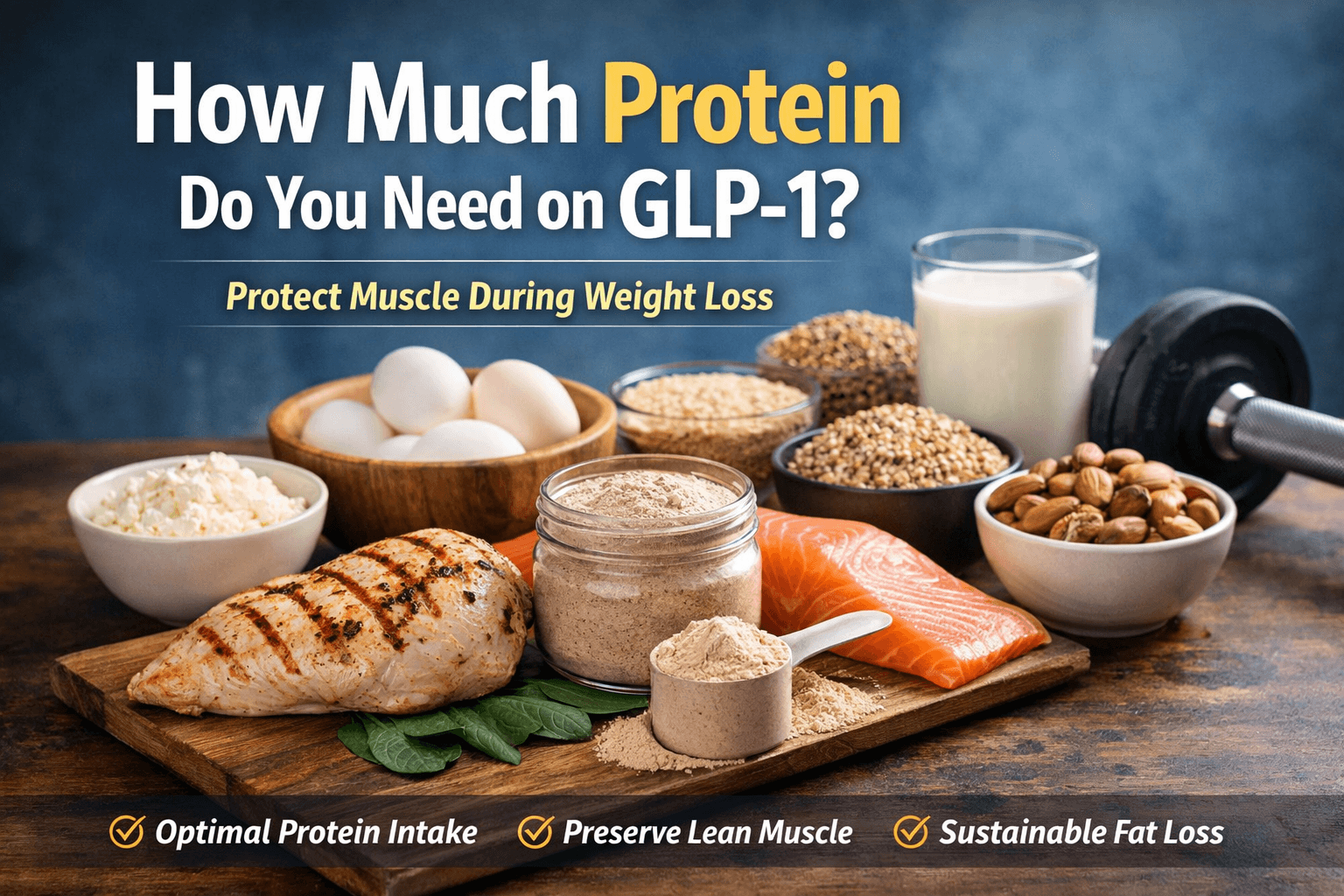
Protein plays a crucial role during weight loss because it helps preserve lean muscle mass while supporting satiety and metabolic function. Research summarized by the Harvard T.H. Chan School of Public Health Nutrition Source shows that higher-protein diets can help maintain muscle and improve weight-loss outcomes when calorie intake is reduced.
Best Foods to Eat on GLP-1
Food quality becomes more important when total food volume is lower. Every meal counts more when you are eating less. The following categories represent the foods that provide the most metabolic value for GLP-1 users.
High-Protein Foods
- Eggs and egg whites
- Greek yogurt and cottage cheese
- Chicken breast and turkey
- Lean beef and pork tenderloin
- Fish and seafood, particularly salmon, tuna, and shrimp
- Protein shakes made with whey, casein, or plant-based protein
- Edamame and legumes
These foods preserve muscle tissue and support metabolism during calorie restriction. They are also among the most satiating foods available, which matters when eating windows are short.
Healthy Fats
- Avocado and avocado oil
- Olive oil
- Nuts including almonds, walnuts, and pistachios
- Nut butters in moderate portions
- Fatty fish like salmon and sardines
Healthy fats support hormone production, brain function, and fat-soluble vitamin absorption. They also slow gastric emptying moderately, which can reduce nausea in some users.
Complex Carbohydrates
- Oats and oatmeal
- Sweet potatoes and regular potatoes
- Brown rice and quinoa
- Whole grain bread and wraps
- Lentils and beans
Complex carbohydrates provide sustained energy and support consistent blood sugar. They pair well with protein to stabilize energy between meals.
Fiber-Rich Foods
- Berries including blueberries, raspberries, and strawberries
- Leafy greens such as spinach, kale, and arugula
- Broccoli, cauliflower, and Brussels sprouts
- Carrots and bell peppers
- Chia seeds and flaxseed
Fiber supports digestion, gut health, and satiety. It also helps regulate blood sugar and prevents the spikes and crashes that contribute to energy instability.
Hydration and Electrolyte Sources
- Water, plain and flavored without added sugar
- Bone broth for sodium and electrolytes
- Coconut water in moderate amounts
- Electrolyte powders without added sugar
- Bananas, oranges, and potatoes for potassium
- Leafy greens and pumpkin seeds for magnesium
Foods That Help Reduce GLP-1 Side Effects
Nausea, fatigue, and digestive discomfort are the most commonly reported side effects of GLP-1 medications, particularly in the early weeks of treatment or after dose increases. Certain foods are significantly easier to tolerate and can reduce the severity of these symptoms.
Plain oatmeal is one of the most effective foods for early GLP-1 users. It is easy to digest, provides consistent energy without spiking blood sugar, and pairs well with protein from Greek yogurt or a scoop of protein powder. Eggs are similarly well-tolerated. Scrambled or soft-boiled eggs are easy on the digestive system and provide high-quality protein in a small volume.
Bananas are particularly useful for GLP-1 users because they are easy to eat when appetite is very low, provide quick energy and potassium, and are gentle on the stomach. Plain white rice and plain boiled potatoes are also easily digestible carbohydrate options during periods of significant nausea.
Bone broth deserves special mention. When food intake is very low and nausea is high, warm bone broth provides sodium, collagen, and a small amount of protein in a liquid form that is easy to consume. It also supports hydration when drinking plain water feels difficult.
Plain yogurt and cottage cheese are excellent small-volume protein sources. They are cool, smooth, and easy to eat even when other foods feel unappealing. Lean protein sources like plain chicken breast or canned fish are good options when larger meals are possible.
Fatigue is one of the most frequently reported symptoms among people starting GLP-1 medications. In many cases, low energy is caused by dehydration, low protein intake, or simply eating too little food overall. Addressing these nutritional factors can significantly improve energy levels, which is explained in more detail in our guide on why people feel tired while using GLP-1 medications.
For a complete approach to managing GLP-1 side effects through food, the Fueled Framework article Signs You Are Not Eating Enough on GLP-1 outlines the key indicators that nutrition has fallen below optimal levels.
Foods That Can Worsen GLP-1 Side Effects
Not all foods are equally well-tolerated on GLP-1 medications. Some categories of food reliably worsen nausea, increase digestive discomfort, and contribute to the fatigue and energy instability that many users experience.
Ultra-processed foods are the most problematic category. Chips, crackers, packaged baked goods, fast food, and highly refined snack products are difficult to digest and provide almost no nutritional value. Because gastric emptying is already slowed by the medication, foods that are high in refined fat and processed carbohydrates sit heavily in the stomach and frequently trigger or worsen nausea.
Very fatty or greasy meals present the same problem. Fried foods, heavy cream-based sauces, and large portions of high-fat protein slow digestion further and are a consistent trigger for nausea and stomach discomfort among GLP-1 users. This does not mean avoiding healthy fats entirely — it means avoiding excessive quantities of high-fat foods in single meals.
Sugary foods and sweetened beverages create energy instability. When blood sugar rises quickly and then drops, fatigue and cravings follow. On GLP-1 medication, the body is particularly sensitive to blood sugar fluctuations, making refined sugar a poor choice even in small amounts.
Alcohol is worth specific mention. Alcohol on GLP-1 medications tends to hit harder and faster than before treatment due to changes in digestion and absorption. It also contributes to dehydration, disrupts sleep, and displaces nutrients. Most people on GLP-1 therapy find that alcohol significantly worsens their overall tolerance and recovery.
Carbonated beverages and large portions of raw vegetables can also worsen bloating and gas due to the slower digestive transit associated with GLP-1 therapy. Cooked vegetables are generally better tolerated than raw during periods of significant gastrointestinal symptoms.
Example Daily GLP-1 Diet Plan
The following example is a realistic day of eating for someone on GLP-1 medication. Portions are intentionally moderate. The priority is nutrient density, protein distribution, and consistent hydration throughout the day.
Breakfast
Start the day with 16 ounces of water before eating. A breakfast built around protein and fiber supports stable energy through the morning.
- 3 scrambled eggs with spinach and one slice of whole grain toast
- Half an avocado
- Black coffee or herbal tea
Estimated macros: approximately 30 grams of protein, 25 grams of carbohydrate, 18 grams of fat.
Lunch
Continue hydration throughout the morning, targeting 8 to 12 ounces of water between breakfast and lunch.
- 4 to 5 ounces of grilled chicken breast or canned tuna
- One cup of mixed greens with olive oil and lemon dressing
- Half a cup of cooked quinoa or brown rice
- Sliced cucumber and bell pepper
Estimated macros: approximately 38 grams of protein, 30 grams of carbohydrate, 10 grams of fat.
Snack
If appetite allows, a protein-focused snack in the mid-afternoon helps maintain protein distribution and prevents energy dips before dinner.
- Three-quarter cup of Greek yogurt with a small handful of berries
- One tablespoon of chia seeds stirred in
Estimated macros: approximately 17 grams of protein, 18 grams of carbohydrate, 4 grams of fat.
Dinner
- 4 to 5 ounces of salmon or lean ground turkey
- One cup of roasted broccoli or Brussels sprouts
- One medium sweet potato
- Light seasoning with olive oil, garlic, and herbs
Estimated macros: approximately 36 grams of protein, 40 grams of carbohydrate, 12 grams of fat.
Daily Hydration Target
Aim for 64 to 80 ounces of total fluid across the day. Include water, herbal tea, and broth. Consider an electrolyte supplement in the morning if fatigue is a persistent concern.
Total daily protein across this example: approximately 120 grams. This range is appropriate for a person with a goal body weight of 140 to 160 pounds. For specific protein targets based on your goals, the Fueled Framework article How Much Protein on GLP-1 provides a complete guide.
The Most Common Mistakes People Make on GLP-1
Understanding what not to do is as important as knowing what to do. These are the patterns most likely to stall progress and worsen side effects.
Eating Too Little
When appetite is suppressed, it is easy to mistake minimal eating for an accelerated path to weight loss. The body does not work that way. Dropping below 1,000 calories consistently triggers metabolic adaptation — the body slows its resting metabolic rate to compensate for reduced fuel. The result is slower weight loss, more fatigue, and a harder recovery when normal eating eventually resumes.
Low Protein Intake
This is the most common and most consequential mistake made by GLP-1 users. When total food intake drops, protein is usually the first casualty. Without adequate protein, the body accelerates muscle breakdown. Muscle loss lowers resting metabolic rate and changes body composition in ways that persist long after the weight loss period ends. For more detail, the Fueled Framework article Prevent Muscle Loss on GLP-1 covers the specific strategies that protect lean tissue during GLP-1 therapy.
Skipping Meals
Skipping meals feels logical when hunger is absent. But skipping meals creates extended gaps in protein intake, which prevents the body from consistently maintaining muscle tissue. It also sets up a pattern where the person becomes genuinely hungry later in the day and makes impulsive food choices that do not support their goals.
Ignoring Hydration
Hydration needs do not decrease during GLP-1 therapy. In fact, they increase as food-based fluid intake drops and nausea can reduce the desire to drink. Ignoring hydration leads to fatigue, headache, cognitive fog, and constipation — all of which are frequently reported by GLP-1 users who are not proactively managing fluid intake.
Not Protecting Muscle Mass
Weight loss without attention to muscle preservation is not the same as fat loss. Many people on GLP-1 medications lose a significant proportion of lean tissue along with fat, particularly if protein intake and resistance training are neglected. This changes body composition, slows metabolism, and creates the conditions for weight regain when the medication is eventually reduced.
One of the most common mistakes people make while using GLP-1 medications is eating too little protein. Rapid weight loss without sufficient protein can lead to muscle loss, slower metabolism, and increased fatigue. Following a strategy designed to prevent muscle loss during weight loss on GLP-1 medications helps maintain metabolic health while losing body fat. The National Institutes of Health (NIH) has published extensive research showing that prolonged calorie restriction can slow metabolism and make weight loss more difficult over time.
The Fueled Framework GLP-1 Nutrition System
Most people struggle on GLP-1 medications not because the medication does not work, but because they are trying to navigate dramatically changed appetite and digestion using old habits and general intuition. Relying on appetite to guide eating when appetite has been pharmacologically suppressed is not a strategy. It is a setup for under-fueling.
The Fueled Framework GLP-1 nutrition system is a structured five-step approach designed specifically for the metabolic conditions created by GLP-1 therapy. It replaces appetite-driven guessing with a consistent, manageable protocol that protects muscle, stabilizes energy, and supports the medication in doing its job.
Step 1 — The Protein Protection Rule
Every meal begins with a protein source. This is not optional and it is not negotiable. Protein is the nutrient most likely to fall below an effective threshold when total food intake is reduced. The Protein Protection Rule ensures it comes first, every time, regardless of how large or small the meal is.
Step 2 — Daily Protein Distribution
Total daily protein does not function the same way whether it is consumed in one large meal or spread across the day. The body can only synthesize a limited amount of muscle protein at one time. Distributing protein intake across two to three eating occasions maximizes protein utilization and supports more consistent energy throughout the day.
Step 3 — GLP-1 Meal Structure
Meals on the Fueled Framework system are built around three components: a protein anchor, a fiber source, and a moderate carbohydrate or fat component. This structure ensures nutrient density without requiring large food volumes. It also supports digestion and reduces the likelihood of triggering nausea from heavy, unbalanced meals.
Step 4 — Side-Effect Support Strategies
Nausea, fatigue, and digestive discomfort are manageable with the right food and hydration choices. This step addresses the specific symptoms most commonly reported during GLP-1 therapy and provides practical food-based strategies to reduce them. Electrolyte management, meal texture, and meal timing are all addressed in this component of the system.
Step 5 — The 7-Day Reset Protocol
The 7-Day Reset Protocol is a structured week of eating designed to restore consistent nutrition, stabilize energy, and establish the habits that support long-term progress on GLP-1 medications. It serves as both a starting point for new users and a recalibration tool for anyone who has drifted away from a structured approach.
| Many people struggle on GLP-1 medications not because the medication stops working, but because their nutrition strategy is unstructured. The Fueled Framework GLP-1 Quick Start Protocol organizes these principles into a simple system that helps users maintain energy, protect muscle, and avoid common side effects while losing weight. 👉 Download the GLP-1 Quick Start Protocol |
GLP-1 Diet Plan: Frequently Asked Questions
Can you follow a normal diet while taking GLP-1 medications?
Many people can eat most foods while using GLP-1 medications such as Ozempic, Wegovy, or Mounjaro, but appetite suppression and slower digestion mean that meal structure becomes more important. A balanced GLP-1 diet plan typically focuses on protein-rich foods, fiber, and nutrient-dense meals to support energy and prevent muscle loss during weight loss.
What foods should you avoid on a GLP-1 diet plan?
Some foods may worsen common GLP-1 side effects such as nausea, fatigue, or digestive discomfort. Very fatty meals, heavily processed foods, large portions, and sugary snacks can sometimes aggravate symptoms. Many people feel better when meals focus on lean protein, vegetables, whole grains, and simple, easy-to-digest foods.
How much protein should you eat on GLP-1 medications?
Protein intake becomes especially important during GLP-1 weight loss because rapid weight reduction can increase the risk of losing muscle mass along with body fat. Many nutrition experts recommend prioritizing protein at each meal to support muscle preservation, metabolism, and long-term weight management.
Find out How Much Protein on GLP-1 right here
Why do some people feel tired while using GLP-1 medications?
Fatigue is one of the most commonly reported symptoms when starting GLP-1 medications. In many cases this happens because people unintentionally eat too little food, drink less water, or reduce protein intake when their appetite decreases. Addressing these factors with a structured nutrition strategy can often improve energy levels.
Read the full guide here on why i am so tired on GLP-1
Is a meal plan necessary when taking GLP-1 medications?
A strict meal plan is not always required, but having a simple structure can make it easier to maintain consistent nutrition while appetite is reduced. A GLP-1 diet plan typically prioritizes protein intake, balanced meals, hydration, and regular meal timing to support metabolism and prevent common side effects.
Start With the GLP-1 Quick Start Protocol
If you want a simple structure for eating while using GLP-1 medications, the Fueled Framework GLP-1 Quick Start Protocol explains the exact system used to maintain energy, preserve muscle, and support long-term weight loss.
The guide includes:
• The Protein Protection Rule
• Daily protein distribution strategy
• GLP-1 meal structure
• Side-effect support strategies
• The 7-day nutrition reset
👉 Download the GLP-1 Quick Start Protocol (Its Free)
Conclusion
GLP-1 medications are a legitimate and effective tool for weight management. For many people, they are a turning point after years of struggling with appetite, cravings, and inconsistent results. But the medication alone is not the complete strategy.
Sustainable weight loss on GLP-1 medications requires more than eating less. It requires eating strategically. The people who maintain their results over the long term — who lose fat rather than muscle, who avoid the energy crashes and fatigue that sideline so many users, who keep their metabolism functioning at a healthy level through the process — are the ones who build a structured nutrition approach around the medication.
That structure starts with protein priority and consistent meal timing. It continues with the right food choices for managing side effects and maintaining energy. It is supported by adequate hydration and electrolyte intake. And it is sustained by a system that does not depend on appetite signals that have been deliberately suppressed.
The Fueled Framework GLP-1 Quick Start Protocol provides that system in a single, practical guide. It is built on the principles covered in this article and designed to give you a clear starting point from your very first week on GLP-1 medication — or to recalibrate your nutrition if you are already on treatment and not seeing the results you expected.
Download the protocol and start building the structure your metabolism needs to support everything the medication is doing for you.
Related Fueled Framework Articles
- Why Am I So Tired on GLP-1
- Signs You Are Not Eating Enough on GLP-1
- How Much Protein on GLP-1
- Prevent Muscle Loss on GLP-1