
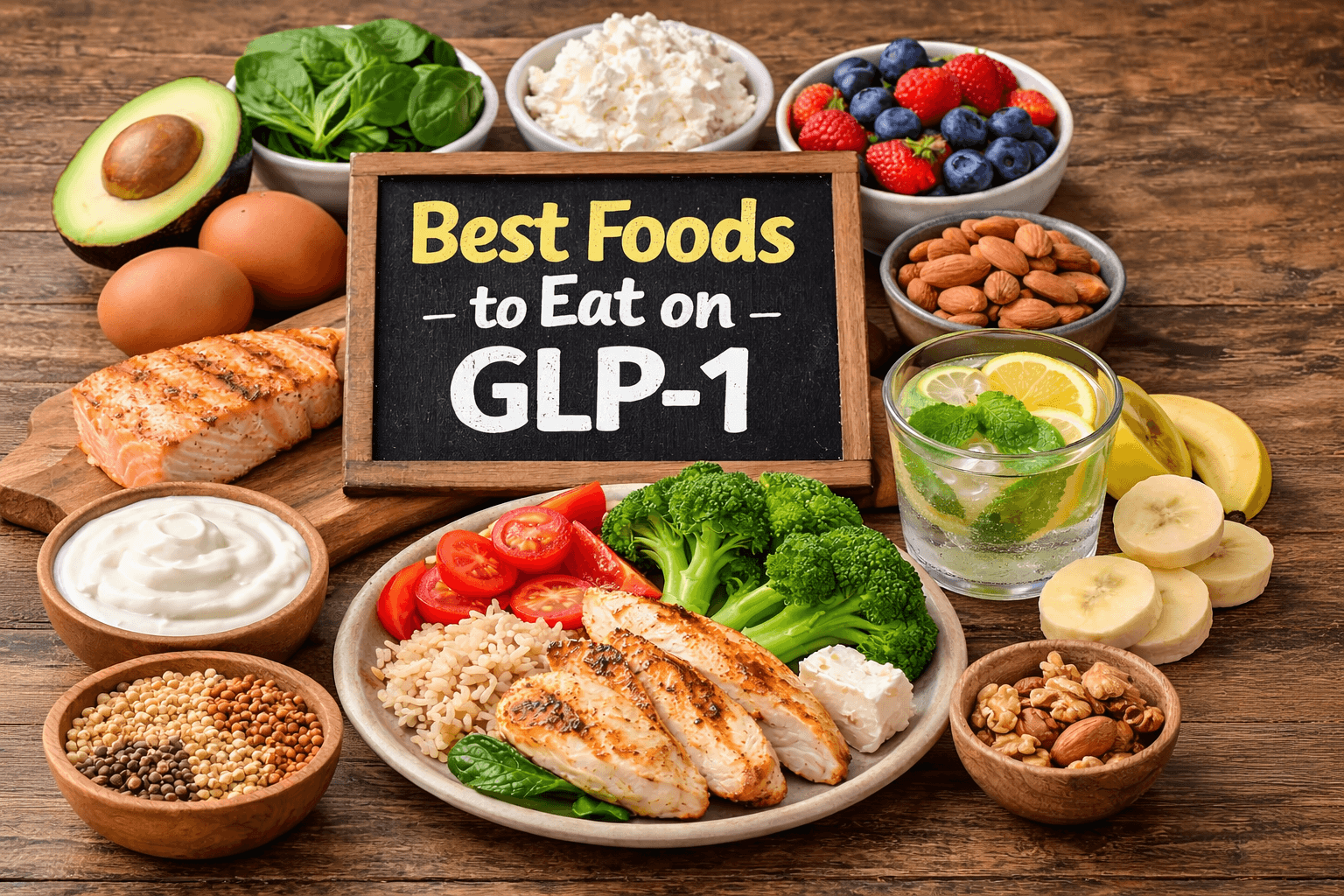
Many people starting GLP-1 medications such as Ozempic, Wegovy, or Mounjaro quickly discover that their appetite and eating patterns change dramatically. Food that once felt appealing becomes hard to finish. Meals shrink. And the impulse to eat simply fades.
That shift sounds like progress. But eating less does not automatically mean eating well. Without the right food choices, dramatically reduced intake can lead to fatigue, muscle loss, digestive issues, nutrient deficiencies, and stalled weight loss — even while the scale continues to drop.
This guide covers the best foods to eat on GLP-1 and explains exactly why each category matters for metabolism, energy, muscle protection, and sustainable results. If you are using a GLP-1 medication and want to make every meal count, this is the nutrition framework you need.
How GLP-1 Medications Change Appetite and Digestion
GLP-1 receptor agonists work by mimicking a natural hormone your body releases after eating. This hormone signals the brain that you are full, slows the rate at which the stomach empties food into the small intestine, and helps regulate blood sugar. Medications like semaglutide (Ozempic, Wegovy) and tirzepatide (Mounjaro, Zepbound) activate these receptors at a sustained level throughout the day.
The result is a significant reduction in appetite. Many people feel full after just a few bites. Some experience nausea, especially early in treatment. Others find that previously enjoyable foods become unappealing. Caloric intake often drops substantially without deliberate effort.
Slower gastric emptying also changes the digestive experience. Food stays in the stomach longer, which can cause bloating, fullness, or discomfort if meals are too large or too rich. Understanding these physiological changes helps explain why food quality — not just quantity — becomes critical during GLP-1 therapy.
When total calories drop significantly, the body must extract everything it needs from a smaller volume of food. Poor food choices in this context do not just stall progress — they actively undermine the metabolic outcomes you are trying to achieve.
Why Food Quality Matters More on GLP-1
Think of it this way. A person eating 2,500 calories a day has a wide margin for nutritional error. They can afford to eat some empty-calorie foods and still meet their protein, fiber, and micronutrient targets. A person eating 1,000 to 1,400 calories on GLP-1 has almost no margin at all.
Every meal must contribute meaningfully. That means prioritizing foods that are high in protein to preserve lean muscle, rich in fiber to support digestion, loaded with vitamins and minerals to prevent deficiencies, and hydrating enough to compensate for reduced food-based fluid intake.
Poor food choices during GLP-1 therapy create a predictable set of problems. Insufficient protein accelerates muscle breakdown, which slows metabolism and makes long-term weight maintenance harder. Inadequate fiber worsens constipation, a common side effect of slower gastric emptying. Low micronutrient intake leads to fatigue, brain fog, and reduced energy. Inadequate hydration amplifies nausea and compounds electrolyte imbalances.
The GLP-1 diet foods that support the best outcomes are those that deliver maximum nutritional value in moderate portions. This is not about eating less. It is about eating smarter.
Best foods for energy, digestion, and muscle protection
Tap any pillar to expand
The Most Important Nutrients to Focus on While Taking GLP-1
Before diving into specific foods, it helps to understand the nutritional pillars that should guide every meal during GLP-1 therapy.
Protein is the most critical nutrient during any period of weight loss. It preserves lean muscle, supports metabolic rate, promotes satiety, and requires more energy to digest than carbohydrates or fat. On GLP-1, when calorie intake falls sharply, protein intake must remain high to prevent muscle wasting.
Fiber supports gut motility and helps counteract the constipation that often accompanies GLP-1 use. Soluble fiber also stabilizes blood sugar and promotes a longer-lasting feeling of fullness. Insoluble fiber adds bulk and keeps digestion moving.
Electrolytes — including sodium, potassium, and magnesium — regulate fluid balance, nerve function, muscle contractions, and energy. Reduced food intake often means reduced electrolyte intake, which contributes to fatigue, headaches, and muscle cramps.
Vitamins and Minerals become harder to obtain in adequate amounts when total food volume drops. Iron, B vitamins, calcium, zinc, and vitamin D are commonly insufficient in low-calorie eating patterns. Prioritizing nutrient-dense whole foods helps close these gaps.
Healthy Fats support hormone production, brain function, fat-soluble vitamin absorption, and sustained energy. Sources like avocado, olive oil, fatty fish, and nuts provide essential fatty acids without adding excessive volume to meals.
High-Protein Foods That Support Muscle and Metabolism
Protein is the cornerstone of a successful GLP-1 nutrition strategy. During weight loss, the body can break down muscle tissue for energy if protein intake is insufficient. This process — called catabolism — reduces lean mass, lowers resting metabolic rate, and makes weight regain more likely after treatment ends.
Research on protein requirements during weight loss consistently supports a target of 0.7 to 1.0 grams per pound of goal body weight per day. For most GLP-1 users, this means actively building meals around protein sources because appetite suppression makes casual intake insufficient.
Best high-protein foods for GLP-1 users:
- Eggs – A complete protein source that is easy to digest, quick to prepare, and highly versatile. Two large eggs provide approximately 12 grams of protein with minimal volume.
- Fish and seafood – Salmon, cod, shrimp, and tilapia are lean, easily tolerated, and rich in omega-3 fatty acids that support inflammation regulation and metabolic health.
- Chicken breast – A lean protein staple that provides around 25 to 30 grams of protein per 4-ounce serving. Baked, poached, or shredded formats tend to sit better than heavily seasoned or fried preparations.
- Greek yogurt – Provides 15 to 20 grams of protein per serving alongside probiotics that support gut health. Plain, unsweetened versions are preferable to avoid added sugar.
- Cottage cheese – An underrated high-protein option with a mild flavor and soft texture. A half-cup serving delivers roughly 12 to 14 grams of protein and is easy to eat even during low-appetite periods.
- Tofu and tempeh – Plant-based proteins that work well in soft or blended preparations. Silken tofu in particular has a neutral flavor and near-liquid texture that is easy to tolerate during nausea.
- Legumes – Lentils, chickpeas, and black beans provide both protein and fiber in a single food. They take longer to digest, which supports sustained energy and blood sugar stability.
To get a FULL LIST OF THE BEST FOOD TO EAT ON GLP-1 (Have a look at our TOP 60 Foods To Eat On GLP-1)
For deeper guidance on protein targets, see: How Much Protein on GLP-1 | GLP-1 Protein Calculator | Prevent Muscle Loss on GLP-1
Fiber-Rich Foods That Support Digestion
Constipation is one of the most consistent complaints among GLP-1 users. Because gastric emptying slows significantly, food moves through the digestive tract more slowly. When fiber and hydration are both inadequate, this can cause meaningful discomfort and reduce quality of life during treatment.
Fiber comes in two forms, and both matter. Soluble fiber dissolves in water to form a gel-like substance that slows glucose absorption, lowers LDL cholesterol, and feeds beneficial gut bacteria. It is found in oats, legumes, and most fruits. Insoluble fiber does not dissolve — it adds bulk to stool and accelerates transit time through the colon. It is found in leafy greens, whole grains, and seeds.
Best fiber-rich foods for GLP-1 users:
- Oats – A gentle, easily digestible source of soluble fiber (beta-glucan) that supports blood sugar stability and gut health. Oatmeal is also a practical low-nausea food during early GLP-1 treatment.
- Berries – Blueberries, raspberries, and strawberries are high in fiber relative to their calorie content and provide antioxidants that support metabolic health.
- Leafy greens – Spinach, kale, and arugula provide insoluble fiber, magnesium, iron, and folate with minimal caloric burden.
- Chia seeds – Two tablespoons contain roughly 10 grams of fiber alongside omega-3 fatty acids and calcium. They expand significantly with water, which also supports hydration.
- Beans and lentils – As noted in the protein section, legumes deliver both protein and fiber simultaneously, making them one of the most efficient foods in a GLP-1 diet plan.
Aim for 25 to 35 grams of total daily fiber. Introduce high-fiber foods gradually if digestive sensitivity is a concern, and increase water intake alongside fiber increases.
Foods That Help Reduce GLP-1 Nausea
Nausea is the most commonly reported side effect of GLP-1 medications, particularly during dose escalation. It typically improves over time, but the early weeks of treatment can make eating feel genuinely difficult. Choosing the right foods during this period helps maintain nutrition while minimizing discomfort.
The foods most likely to be well-tolerated when nausea is present tend to be low in fat, mild in flavor, and moderate in volume. Rich, spicy, or heavily seasoned foods typically worsen nausea by stimulating gastric acid and slowing digestion further.
Foods that tend to be easier to tolerate:
- Plain crackers or dry toast – Simple carbohydrates absorb stomach acid and are easy to eat in small amounts even during significant nausea.
- Broths and clear soups – Provide sodium, hydration, and light calories without requiring the stomach to do significant digestive work.
- Bananas – Gentle on the stomach, easy to digest, and a natural source of potassium and B6, which supports nausea management.
- Plain Greek yogurt or cottage cheese – Soft proteins that are easy to eat in small quantities and provide meaningful nutrition even in a few spoonfuls.
- Scrambled eggs or soft-cooked eggs – Among the most easily tolerated protein sources during nausea-heavy periods.
- Ginger tea or ginger chews – Ginger has a well-documented effect on nausea through both gastric motility and serotonin receptor activity.
For more detail on managing nausea through nutrition, see: GLP-1 Nausea – What to Eat
Electrolyte-Supporting Foods
Electrolytes are minerals that carry an electrical charge and regulate many of the body’s most fundamental processes — including fluid balance, nerve signaling, and muscle contraction. Sodium, potassium, and magnesium are the three most critical for GLP-1 users.
When caloric intake drops substantially, total electrolyte intake often drops with it. Combined with increased urination (a common effect during early weight loss) and potential vomiting during nausea episodes, electrolyte depletion can cause fatigue, headaches, muscle cramps, dizziness, and cognitive fog. These symptoms are frequently mistaken for medication side effects when they are actually the result of nutritional gaps.
Best electrolyte-supporting foods:
- Avocados – One of the richest food sources of potassium available, providing more per gram than bananas. Also a source of magnesium and healthy monounsaturated fats.
- Leafy greens – Spinach and Swiss chard are particularly high in magnesium and potassium. A single serving of cooked spinach provides a significant portion of daily magnesium needs.
- Nuts and seeds – Almonds, pumpkin seeds, and sunflower seeds are concentrated sources of magnesium. A small handful provides meaningful nutrition even in a reduced-appetite eating pattern.
- Plain Greek yogurt – Provides calcium, potassium, and sodium alongside protein.
- Bone broth or mineral water – Both deliver sodium and trace minerals with essentially no digestive load. Bone broth is particularly useful during nausea when solid food feels difficult.
Hydration compounds the importance of electrolytes. Aim for at least 64 to 80 ounces of fluid daily, prioritizing water and electrolyte-containing beverages over sugary drinks.
Foods to Limit While Using GLP-1
Just as important as knowing what to eat is knowing what to minimize. Certain foods consistently worsen GLP-1 side effects, displace more important nutrients, or undermine the metabolic outcomes you are working toward.
Foods and patterns to limit:
- Highly processed foods – Ultra-processed snacks, fast food, and packaged meals tend to be high in sodium, added sugar, refined carbohydrates, and inflammatory fats while being low in protein, fiber, and micronutrients. They displace the nutritious foods your body needs most.
- Fried and high-fat foods – Heavy fat intake significantly slows gastric emptying further. On GLP-1, this compounds the already-slowed digestion and dramatically increases nausea risk.
- Very large meals – Even if a food is nutritious, eating too much in a single sitting can cause significant discomfort. Smaller, more structured meals are better tolerated and support more consistent energy.
- Sugary beverages – Juice, soda, sweetened coffee drinks, and sports drinks add calories without providing protein, fiber, or meaningful nutrients. They also contribute to blood sugar spikes that counteract the glucose-regulating benefits of GLP-1 therapy.
- Alcohol – Alcohol is processed differently when gastric emptying is slowed and calorie intake is low. Tolerance often decreases on GLP-1, and alcohol provides empty calories while disrupting sleep, hydration, and metabolism.
The goal is not perfection. Occasional choices outside this framework are unlikely to derail progress. But consistent patterns matter, and the reduced eating window on GLP-1 makes those patterns disproportionately impactful.
Example GLP-1 Friendly Meal Structure
On GLP-1 medications, the old model of three large meals rarely works well. Many users find that two to three smaller, structured meals are more comfortable and nutritionally effective. The key is ensuring every eating opportunity delivers protein, fiber, and micronutrients rather than letting reduced appetite become an excuse to skip meals entirely.
Sample Daily Structure:
Meal 1 — Morning
2 scrambled eggs with spinach + ½ cup plain Greek yogurt + 8 oz water
Protein: ~30g | Fiber: ~2g | Focus: lean protein, probiotics, hydration
Meal 2 — Midday
4 oz grilled salmon + ½ cup lentils + leafy green salad + olive oil dressing + 8 oz water
Protein: ~40g | Fiber: ~10g | Focus: protein + fiber + healthy fats + electrolytes
Meal 3 — Evening
4 oz baked chicken breast + roasted zucchini + ½ cup cooked oats or brown rice + 8 oz water
Protein: ~35g | Fiber: ~5g | Focus: lean protein, complex carbohydrates, micronutrients
This structure delivers roughly 100 to 110 grams of protein and 15 to 20 grams of fiber in a manageable daily volume. Adjust portions based on hunger, tolerance, and individual protein targets.
For a detailed breakdown including snack strategies and macro targets, see: GLP-1 Meal Plan & Muscle Protection Guide
A Structured Nutrition Strategy for GLP-1 Success
The most successful GLP-1 outcomes come from people who treat these medications as a metabolic tool — and pair that tool with a deliberate nutrition strategy. Medication suppresses appetite. Nutrition determines what that reduced appetite is doing for your body.
The Fueled Framework approach is built around four core principles for GLP-1 nutrition: protein-first meal structure, strategic fiber inclusion, electrolyte and hydration management, and consistent nutrient density across every eating opportunity. Together, these principles prevent the four most common failure patterns seen in GLP-1 users:
- Fatigue from inadequate protein and micronutrient intake
- Muscle loss from caloric restriction without sufficient protein
- Digestive disruption from low fiber and dehydration
- Metabolic slowdown from losing muscle mass during rapid weight loss
GLP-1 medications are a meaningful clinical tool for weight management. But no medication can substitute for a structured approach to nutrition. The people who maintain results long-term — and protect their metabolic health throughout the process — are the ones who understand what to eat, why it matters, and how to build consistent habits around it.
Frequently Asked Questions
What are the best foods to eat on GLP-1?
The best foods to eat on GLP-1 are high-protein, nutrient-dense options that are easy to digest. Eggs, Greek yogurt, cottage cheese, fish, chicken, and legumes are the foundation. Pair these with fiber-rich vegetables, berries, and oats to support digestion, and include avocado, nuts, and leafy greens for electrolytes and healthy fats.
How much protein should you eat on GLP-1?
Most GLP-1 users benefit from 0.7 to 1.0 grams of protein per pound of goal body weight per day. This target helps preserve lean muscle during the caloric deficit created by appetite suppression. For a person with a goal weight of 150 pounds, that means approximately 105 to 150 grams of protein daily.
What foods reduce nausea on GLP-1?
Foods that are bland, low in fat, and easy to digest tend to be best tolerated during GLP-1 nausea. Crackers, plain oatmeal, bananas, soft eggs, broth, and plain Greek yogurt are reliable options. Ginger tea or ginger chews can also reduce nausea through their effect on gastric motility. Avoid rich, fatty, or heavily seasoned foods until nausea subsides.
Can certain foods improve GLP-1 weight loss results?
Yes. Prioritizing high-protein foods helps preserve muscle mass during weight loss, which keeps metabolic rate higher and improves body composition outcomes. Fiber-rich foods support blood sugar stability and reduce cravings. Adequate hydration and electrolyte intake support energy and reduce common side effects that can disrupt adherence. The combination of the right foods with GLP-1 medication produces significantly better metabolic outcomes than medication alone.
Should you eat fewer meals on GLP-1?
Meal frequency is less important than total daily protein and nutrient intake. Most GLP-1 users find two to three smaller, structured meals more comfortable than three large meals. Skipping meals entirely — which is easy to do given the appetite suppression — often leads to protein deficits, energy crashes, and increased fatigue. A structured eating schedule, even if portions are small, typically produces better results than eating only when hunger strikes.
Conclusion
The best foods to eat on GLP-1 are those that deliver maximum nutritional value in manageable portions. Protein, fiber, electrolytes, and nutrient-dense whole foods form the foundation of every effective GLP-1 nutrition strategy. Without these, reduced appetite becomes a liability rather than an asset.
GLP-1 medications change how much you eat. A structured metabolic nutrition approach determines whether what you eat supports your muscle, your metabolism, your energy, and your long-term results. The foods in this guide are not complicated or restrictive — they are practical, accessible, and built around the nutritional realities of GLP-1 therapy.
The Fueled Framework system is designed to help GLP-1 users build exactly this kind of structure — so that every meal supports the outcome the medication is working toward. Protein first. Fiber included. Hydration prioritized. Nutrients protected. That is what sustainable GLP-1 weight loss actually looks like.
If you want a deeper understanding of how GLP-1 medications affect metabolism, appetite, nutrition, and long-term weight management, explore the full GLP-1 Optimization Guide on Fueled Framework. This pillar page explains how medications like Ozempic, Wegovy, and Mounjaro work, how to manage common side effects, and how to structure your diet to protect muscle, maintain energy, and achieve sustainable weight loss results. It also connects all of our GLP-1 resources, including meal strategies, protein guidance, and practical nutrition tools designed to support long-term metabolic health.